

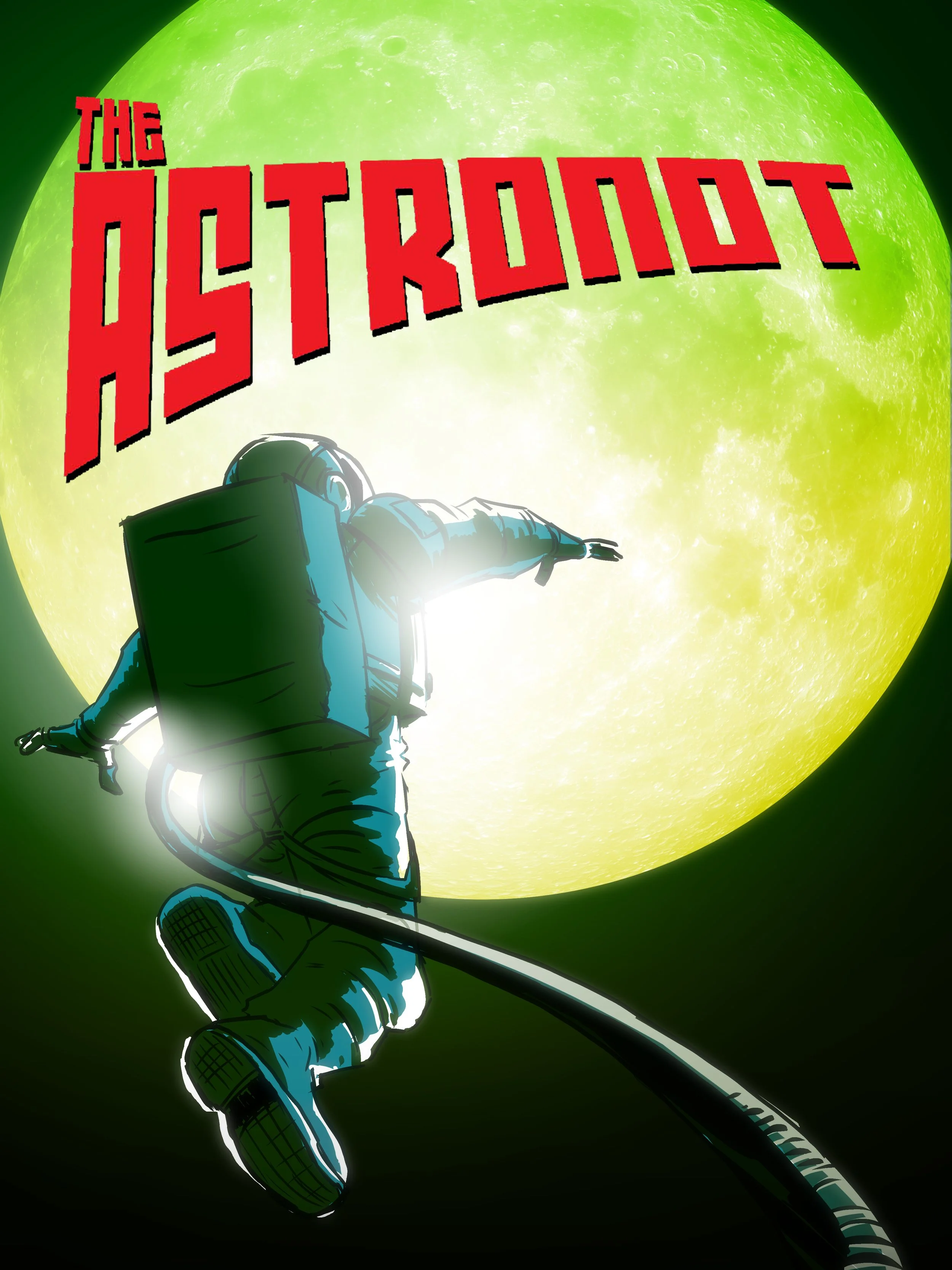
About The Astronot (2018)
ABOUT THE DIRECTOR
Tim Cash is an independent filmmaker known for emotionally stylized, character-focused narratives. In The Astronot, Cash directs a story that blends nostalgia, romance, and metaphor, framing personal transformation against the backdrop of the 1969 moon landing. His direction leans toward symbolic storytelling, using space exploration as a metaphor for emotional risk and human connection.
FILM SYNOPSIS
Set in 1969 during America’s historic journey to the moon, The Astronot follows Daniel McKovsky, a reclusive man who longs to “touch the moon” but struggles with isolation. When Sandy enters his life, her warmth begins to melt his emotional barriers and propel him toward new possibilities. As the nation embarks on its greatest space adventure, Daniel must decide whether to leave behind the safety of solitude and embrace love, or risk veering off course. The film intertwines themes of ambition, vulnerability, and trajectory, paralleling space travel with emotional evolution.
DIRECTOR’S PHILOSOPHY
Tim Cash’s vision for The Astronot is described as a "swing for the fences" micro-budget production. Cash intended to take a high-concept premise, a man's obsessive dream of reaching the moon, and ground it in a quiet, deeply human narrative. He utilized his background in music video direction to create a visually rich "tapestry of images," focusing on the atmospheric Central Oregon landscape to mirror the protagonist's emotional isolation
AWARDS & RECOGNITION
Despite its modest production scale, the film saw extensive success on the independent festival circuit:
Accolades: The film reportedly received 77 wins and 112 nominations total.
Specific Honors: It earned accolades for Cinematography, Screenwriting, and Musical Score at over 200 film festivals during the 2018–2019 circuit.
Soundtrack Recognition: The film's soundtrack, composed by Pennan Brae, features collaborations with legendary musicians like Garry Gary Beers (INXS) and Steve Ferrone (Tom Petty and the Heartbreakers).
Critical Reception: It has been praised as a "fantastic example of vision over resources" for its ability to deliver complex themes with a minimal cast and crew.